
 (470) 713-8211


Running an online store is exciting, but it can also be challenging. Every day, thousands of businesses compete for the same customers. Even if you sell great products, people will not buy from you if they cannot find your store.
This is where paid advertising becomes important. Pay-Per-Click (PPC) advertising helps businesses place their products in front of people who are actively searching for them.
However, running ads is not as simple as setting a budget and waiting for sales to come in. Without the right strategy, businesses can spend a lot of money and get very little in return.
That is why many online stores invest in eCommerce PPC management services. These services help businesses create smarter campaigns, reach the right audience, and turn more clicks into sales.
In this article, we will explore how professional PPC management can help your eCommerce business grow faster and generate more revenue.
Why Most eCommerce PPC Campaigns Fail to Deliver Consistent Results

Many store owners start PPC advertising with high expectations. They launch campaigns, add products, and hope customers will start buying. Unfortunately, that does not always happen.
If your ads reach people who are not interested in your products, they will not convert into customers. This means you pay for clicks without generating sales and it is one of the biggest reasons for campaign failure due to poor audience targeting.
Many businesses spend too much money on keywords or products that do not perform well. As a result, their advertising budget disappears quickly without producing a strong return and it is another common issue known as inefficient budget allocation.
A lack of conversion tracking can also hurt results. If you do not know which ads generate sales, it becomes difficult to improve performance. You may continue investing in campaigns that are not working.
Competition is another challenge. More businesses are investing in online advertising than ever before. This increases advertising costs and makes it harder to stand out. Without a clear strategy, many stores struggle to maintain profitability.
What Is eCommerce PPC Management Services?

PPC management services are designed to help businesses get the most value from their advertising budget. Instead of handling campaigns alone, businesses work with experts who understand how to create, manage, and optimize paid advertising campaigns.
Professional eCommerce PPC management services begin with strategic planning. Specialists analyze your products, target audience, competitors, and business goals before building campaigns.
They also optimize product feeds, which are essential for platforms like Google Shopping. A well-optimized product feed improves visibility and helps products appear in relevant searches.
Bid management is another important part of the process. PPC professionals monitor bids and adjust them based on performance. This helps businesses remain competitive without overspending.
In addition, regular monitoring and reporting allow store owners to understand how their campaigns are performing. Every decision is based on data rather than guesswork.
How Professional PPC Management Directly Increases Sales

The main goal of PPC advertising is to generate sales, and professional management plays a major role in achieving that goal.
One of the biggest advantages is reaching high-intent buyers. These are people who are actively searching for products and are often ready to make a purchase. Showing ads to the right audience increases the likelihood of conversions.
Professional managers also improve ad relevance. They create compelling ad copy, optimize keywords, and match ads to customer intent. When ads are more relevant, they attract more clicks and better-quality traffic.
Another benefit is reducing wasted ad spend. Many businesses unknowingly spend money on keywords that do not generate sales. PPC experts identify these issues and make adjustments that improve efficiency.
This is one reason why eCommerce PPC management services often lead to higher returns on investment. Instead of simply generating traffic, they focus on attracting visitors who are more likely to buy.
When campaigns become more efficient, businesses can increase sales without dramatically increasing advertising costs.
Key PPC Channels That Drive eCommerce Revenue
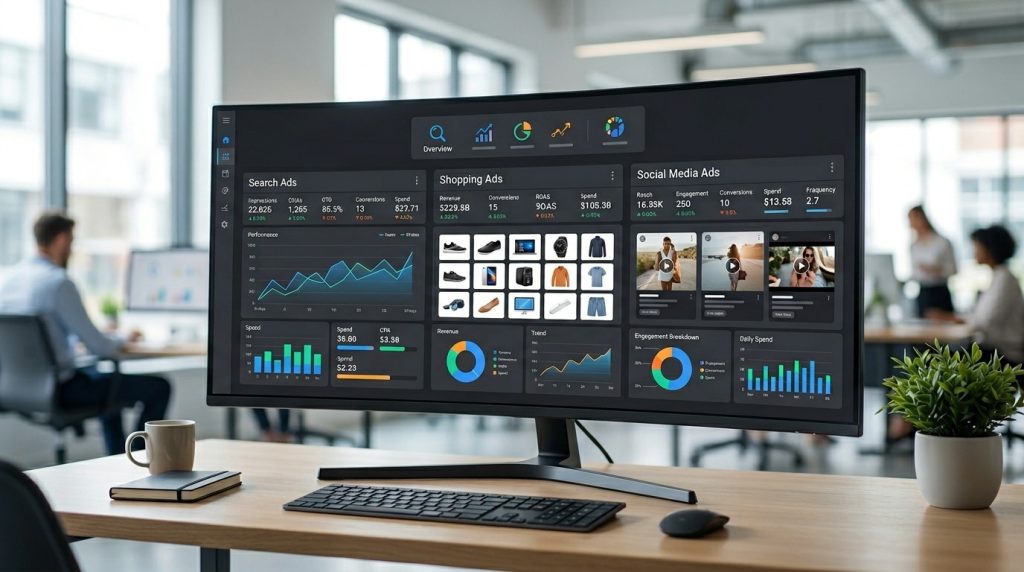
Successful PPC strategies often use multiple advertising channels. Each platform offers unique opportunities to connect with potential customers.
Google Shopping Ads are one of the most powerful options for eCommerce stores. These ads display product images, prices, and store information directly in search results, making it easy for shoppers to compare products.
Google Search Ads are another effective channel. These ads appear when users search for specific keywords related to your products. They are particularly useful for capturing customers with strong buying intent.
Meta Ads on Facebook and Instagram allow businesses to target users based on interests, behaviors, and demographics. These platforms are excellent for building brand awareness and generating demand.
Microsoft Advertising can also provide valuable traffic. While it may receive less attention than Google, it often offers lower competition and lower advertising costs.
Retargeting campaigns are especially powerful. They reconnect with visitors who have already interacted with your store but did not complete a purchase. This often leads to higher conversion rates because the audience is already familiar with your brand.
The Role of Data and Analytics in PPC Success
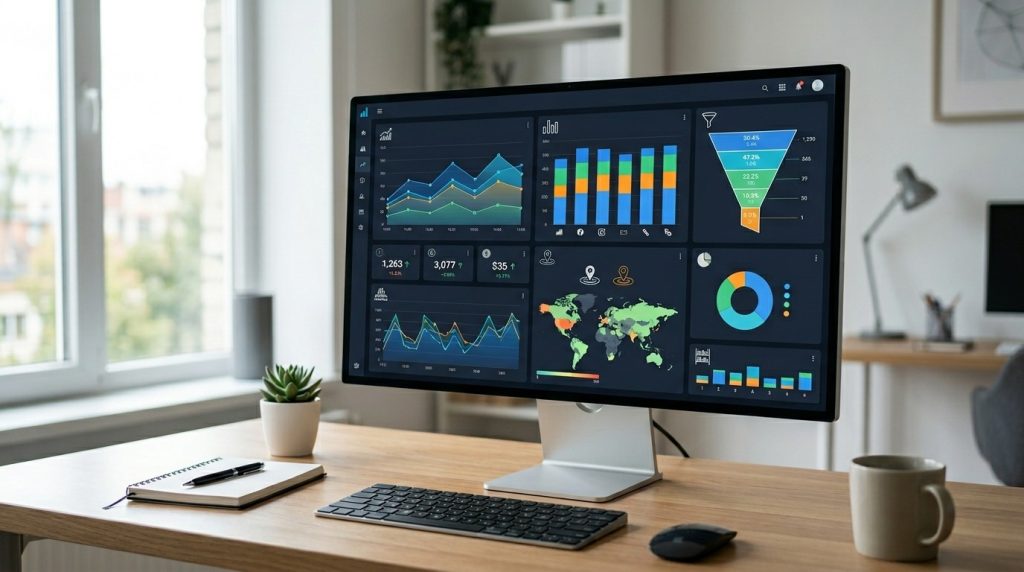
One of the greatest strengths of PPC advertising is the amount of data available. Every click, impression, and conversion provides valuable insights.
Analytics help businesses understand customer behavior. For example, you can see which products attract the most attention and which pages generate the highest conversion rates.
Data also helps identify top-performing products. Instead of promoting every item equally, businesses can focus more resources on products that generate strong results.
Real-time optimization is another major advantage. Campaign performance can change quickly, and businesses need to respond accordingly. PPC specialists continuously analyze data and make improvements based on actual results.
Many businesses choose eCommerce PPC management services because managing and interpreting large amounts of data can be difficult without experience. Experts know how to turn numbers into actionable strategies that improve performance.
Advanced PPC Strategies Used by Professional Agencies
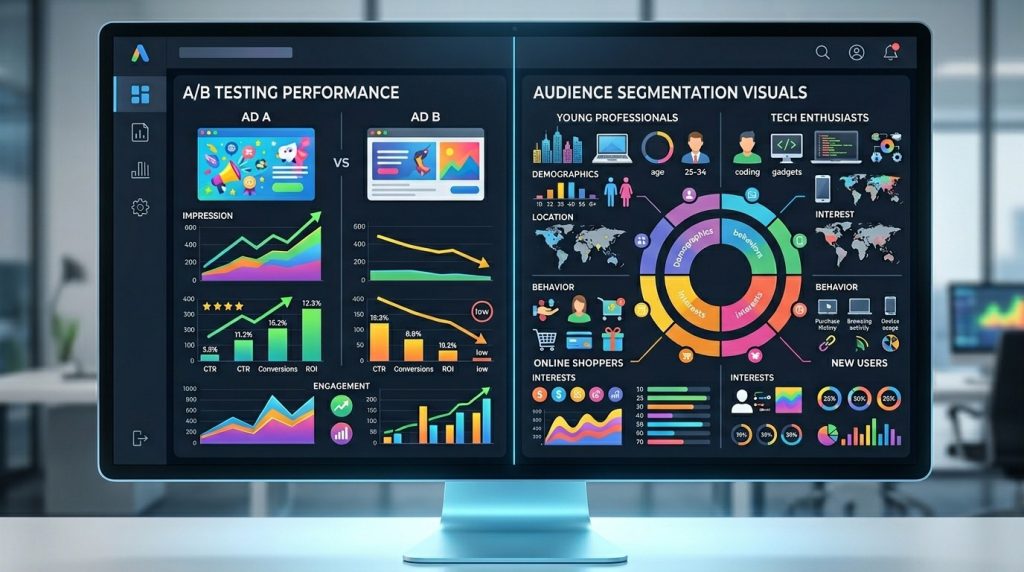
Professional agencies often use advanced techniques that go beyond basic advertising.
Audience segmentation is one example. Instead of showing the same ads to everyone, businesses create separate campaigns for different customer groups. This leads to more personalized experiences and better results.
Dynamic product ads are another powerful tool. These ads automatically display products based on a user’s browsing behavior. If someone viewed a product but did not buy it, the ad can remind them to return and complete the purchase.
Smart bidding strategies also help maximize results. Modern advertising platforms use machine learning to adjust bids automatically based on the likelihood of a conversion.
A/B testing is another essential practice. PPC managers test different headlines, images, descriptions, and landing pages to determine which combinations perform best.
These advanced methods are a key reason why eCommerce PPC management services often outperform campaigns managed without professional expertise.
Signs Your eCommerce Business Needs PPC Management Services

Many business owners wonder whether they should continue managing ads themselves or seek professional help.
One clear sign is spending a significant amount on advertising without seeing strong sales results. If your campaigns generate clicks but not conversions, there may be underlying issues that need attention.
Declining return on ad spend is another warning sign. If costs continue rising while revenue remains flat, your campaigns may require optimization.
Limited time can also be a challenge. Running an eCommerce business already requires managing products, orders, customer service, and inventory. Adding PPC management to the list can become overwhelming.
Scaling is another area where businesses often struggle. Growing campaigns profitably requires experience and ongoing optimization.
For these reasons, many growing brands eventually invest in eCommerce PPC management services to improve efficiency and support long-term growth.
Choosing the Right eCommerce PPC Management Partner
Not all PPC agencies deliver the same results, so choosing the right partner is important.
Start by looking for industry experience. Agencies that understand eCommerce are often better equipped to handle the unique challenges of online retail.
Transparency is also essential. A trustworthy agency should provide regular reports and clearly explain campaign performance.
Case studies can offer valuable insights into an agency’s capabilities. Reviewing past successes can help you understand how they approach different challenges.
Customization is another important factor. Every business is different, and successful PPC strategies should reflect those differences. Avoid agencies that rely on one-size-fits-all solutions.
The best eCommerce PPC management services take the time to understand your goals, products, audience, and market before developing a strategy.
Conclusion
Growing an eCommerce business is not just about getting more traffic. It is about attracting the right visitors and turning them into paying customers.
PPC advertising can be one of the fastest ways to generate sales, but success requires more than simply launching ads. It takes strategy, data analysis, ongoing optimization, and a deep understanding of customer behavior.
Professional eCommerce PPC management services help businesses avoid costly mistakes, improve campaign performance, and maximize return on investment. They focus on reaching high-intent buyers, reducing wasted spending, and creating campaigns that consistently generate results.If your goal is to increase online sales, improve advertising efficiency, and scale your business with confidence, investing in expert PPC management may be one of the smartest decisions you can make.
Frequently Asked Questions
eCommerce PPC management services help online stores plan, run, and improve paid advertising campaigns. They include keyword research, product feed optimization, audience targeting, bid management, ad testing, conversion tracking, and reporting to help businesses get more sales from their advertising budget.
PPC increases sales by showing your products to people who are already searching for them or likely to buy. It brings targeted traffic to your store quickly, promotes best-selling products, supports retargeting, and helps turn interested shoppers into paying customers.
Yes, they can be very useful for small businesses because they help avoid wasted ad spend. A skilled PPC team can target the right buyers, manage limited budgets wisely, improve campaign performance, and help small stores compete with larger brands online.
The cost depends on your ad budget, business size, campaign goals, and service provider. Some agencies charge a flat monthly fee, while others charge a percentage of ad spend. More complex campaigns usually cost more because they require deeper strategy and management.
Common platforms include Google Ads, Google Shopping Ads, Microsoft Advertising, Meta Ads for Facebook and Instagram, TikTok Ads, Pinterest Ads, and retargeting platforms. The best platform depends on your products, audience, budget, and overall marketing goals.
PPC can bring traffic within days, but strong results usually take a few weeks. Campaigns need time for testing, tracking, and optimization. Once enough data is collected, PPC experts can adjust targeting, bids, ads, and budgets to improve sales.
PPC brings paid traffic through ads, while SEO brings organic traffic from search results. PPC works faster but costs money for each click. SEO takes longer but can build lasting visibility. Many eCommerce stores use both for stronger growth.
Yes, PPC can bring highly targeted customers to your store. You can target people by keywords, location, interests, behavior, device, age, and past website visits. This helps your ads reach shoppers who are more likely to click and buy.
PPC experts improve ROAS by reducing wasted clicks, improving audience targeting, adjusting bids, testing ad copy, optimizing product feeds, and focusing budget on high-performing products. They use data to make smarter decisions that help generate more revenue from every ad dollar.
Look for a provider with eCommerce experience, clear reporting, honest communication, proven results, and strong knowledge of platforms like Google Ads and Meta Ads. A good provider should create a custom strategy based on your products, goals, budget, and audience.
Let’s Improve Your eCommerce PPC Results
Stop wasting budget on campaigns that don’t deliver real results. With the right ecommerce PPC management, you can reach high-intent buyers, reduce wasted ad spend, and turn clicks into consistent sales.
Smarter strategy, better targeting, and continuous optimization can transform your advertising into a reliable growth channel for your store.
Let’s Talk About Your eCommerce Goals