
 (470) 713-8211


Selling on Amazon can feel exciting, where you just upload your product, add photos, write a description, and wait for orders. But you should keep in mind that Amazon is crowded. Many sellers are fighting for the same attention, and even a great product can stay hidden if shoppers never see it.
Amazon PPC helps solve this problem. PPC means pay-per-click, so you pay when someone clicks your ad. These ads can place your product in front of people already searching for something like it. If you sell lunch boxes, your ad can appear for searches like “kids lunch box” or “steel lunch box.”
That visibility can bring more clicks and more chances to sell. But PPC needs a smart plan, or ads can waste money without bringing results.
This is why many sellers use Amazon PPC management services to make their campaigns more focused, controlled, and profitable.
What are Amazon PPC Management Services?
Amazon PPC management means planning, running, checking, and improving paid ads on Amazon. It includes choosing products, finding keywords, setting bids, managing budgets, and checking reports.
Think of it like using a map while driving. You can still move without a map, but you may take wrong turns and waste fuel. PPC managers use data as the map.
They look at what brings sales, what wastes money, and where the budget should go next. This helps sellers avoid guessing and make better advertising decisions.
Core Elements of Amazon PPC Management
The main parts of PPC management are keyword research, campaign setup, bid control, product targeting, negative keywords, and reports.
Keyword research finds the words shoppers use, campaign setup keeps ads organized, and bid control helps decide how much to pay for a click.
Negative keywords block searches that are not useful, such as “cheap plastic wallet” for a premium leather wallet.
How Amazon PPC Helps Increase Product Visibility
Most Amazon shoppers click products they see near the top. If your product is buried far down in the results, they may never find it. PPC gives your listing a better chance to appear in strong positions, even when your organic ranking is still low.
This is especially useful for new products with few reviews and little ranking history. Ads can bring early traffic from real shoppers.
More visibility can lead to more clicks, and more clicks can lead to sales when your listing is strong. Amazon PPC management services help sellers choose which products to promote and which search terms to target.
Appearing In Sponsored Search Results
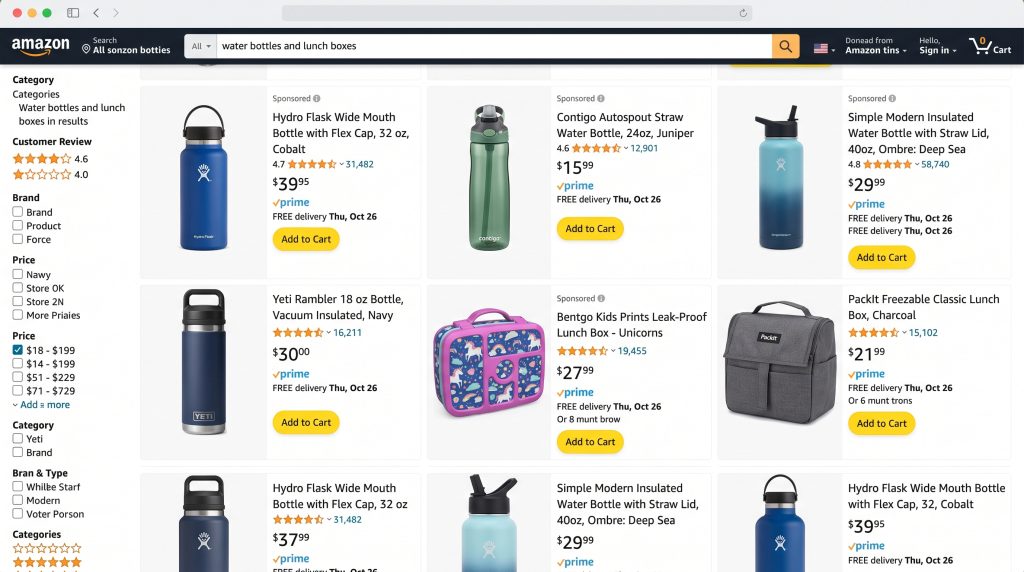
Sponsored Products can appear in search results and on product pages. To shoppers, they look similar to regular listings, but they are marked as sponsored.
This placement works because it reaches people while they are already shopping. If your product has a clear photo, fair price, and helpful reviews, your ad has a better chance of turning that search into a sale.
Targeting The Right Customers with High-Intent Keywords
Not every keyword is useful. Some searches are too broad. For example, “shoes” could mean running shoes, school shoes, baby shoes, or formal shoes. But “men’s black running shoes size 10” shows much clearer buying intent.
Good PPC management focuses on keywords that match your product. This brings shoppers who are more likely to buy, not just casually browsing.
This is where Amazon PPC management services can make a real difference, because the goal is not more clicks. The goal is better clicks that can become orders.
Keyword Research and Match Types
Amazon has different keyword match types. Broad match can show your ad for many related searches. Phrase match keeps the search closer to your chosen words. An Exact match gives tighter control over specific terms.
Each match type has a purpose. Broad match can discover new search terms, while exact match can focus your budget on proven searches.
Reducing Wasted Ad Spend
Wasted ad spend happens when people click your ad but do not buy. Some wasted clicks are normal, but too many can hurt profit.
If a keyword gets many clicks but no sales, it may need a lower bid, a negative keyword, or a pause. If another keyword brings steady sales, it may deserve more budget.
Improving Sales Through Optimized Campaign Structure
Campaign structure matters because messy campaigns are hard to read. If all keywords and products are mixed together, you cannot clearly see what is working. It is like keeping every book, toy, and shirt in one drawer.
Organized campaigns make performance easier to understand. Sellers can separate products by category, goal, keyword type, or performance level. With Amazon PPC management services, campaigns are usually built to support testing, learning, and scaling.
Automatic Vs. Manual Campaigns
Automatic campaigns let Amazon choose where to show your ads based on your listing. They are useful for finding new search terms.
Manual campaigns give more control. You choose the keywords, match types, bids, and targets. Many sellers use automatic campaigns for research, then manual campaigns for control.
Better Bid Management for Higher ROI
A bid is the amount you are willing to pay for one click. If your bid is too low, your ad may not show often. If it is too high, you may spend too much and lose profit.
The right bid depends on your product price, profit margin, conversion rate, and competition. A high-margin product may handle a higher bid.
A low-margin product needs tighter control. Skilled ad managers adjust bids using real data instead of guesswork.
Controlling Acos and Maximizing ROAS
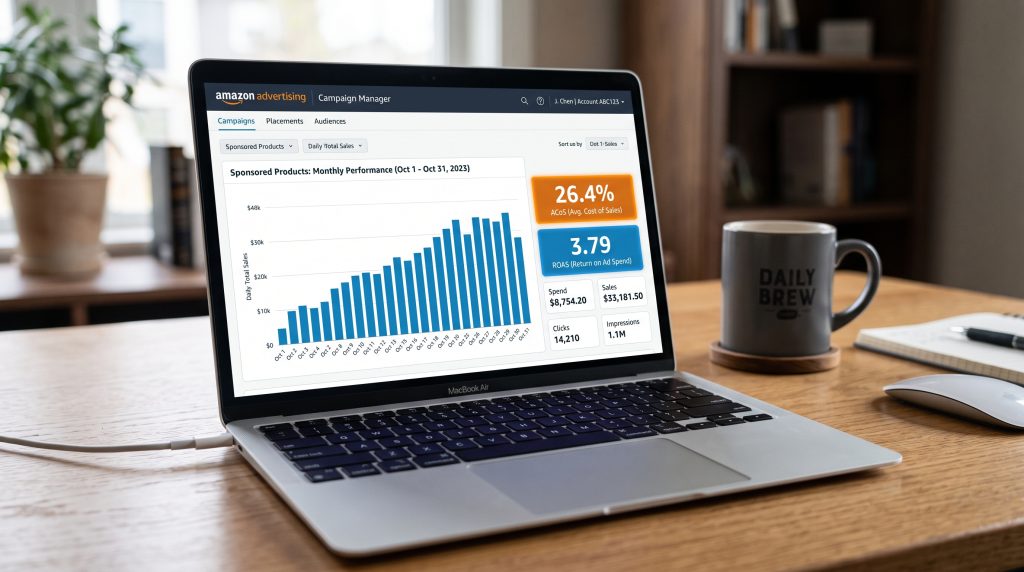
ACoS means advertising cost of sales. If you spend $20 on ads and make $100 in ad sales, your ACoS is 20%. ROAS means return on ad spend. It shows how much revenue you get for each dollar spent.
These numbers show whether ads are healthy. A low ACoS is usually better for profit. A higher ACoS may be fine when launching a product or trying to grow faster. The key is knowing your goal before judging the result.
Using Data to Optimize Campaign Performance
Amazon PPC is not something you set once and ignore. The best results come from regular improvements based on data. Data shows what shoppers click, buy, and ignore.
A campaign may get many clicks but few sales. That means it looks busy, but it is not strong. Another keyword may get fewer clicks but bring steady orders. That keyword may be more valuable. Good management turns these details into clear next steps.
Tracking Clicks, Conversions, CTR, CPC, And Sales
Clicks show how many people visit your listing through ads. CTR, or click-through rate, shows how often people click after seeing your ad. CPC, or cost per click, shows the price of each click. Conversions show how many clicks become orders.
Sales are the final result, but these smaller numbers explain why sales rise or fall. Low CTR may point to a weak image or title. High clicks with low sales may point to pricing, reviews, or listing issues.
Increasing Organic Ranking Through Paid Sales
Paid ads can also support organic growth. Organic ranking means where your product appears naturally in Amazon search.
When PPC brings sales through a keyword, it can help show Amazon that your product is relevant for that search.
This does not mean ads guarantee top ranking. Your product still needs a strong listing, good value, and happy customers. But PPC can help create early sales momentum. Amazon PPC management services can connect ad strategy with organic goals.
The Link Between PPC And Organic Growth
Imagine opening a new shop on a busy street, but your store is hard to see. Ads are like signs that point people to your door. If they visit, buy, and like what they get, your shop becomes more popular.
PPC can work in a similar way. Ads bring attention. A strong product turns attention into sales. Those sales can help build better visibility over time.
Scaling Profitable Products with Amazon PPC
Once a campaign starts bringing profitable sales, the next step is scaling. Scaling means growing what already works. This may include increasing budget, adding strong keywords, targeting competitor products, or testing new ad types.
But scaling should be done carefully. Spending more on a weak campaign will not fix it. It will only waste money faster. Smart scaling starts with proof. If a keyword, product, or campaign already performs well, then it may deserve more investment.
Expanding Campaigns Without Wasting Budget
A seller can move strong search terms from automatic campaigns into manual campaigns, build exact match campaigns for best keywords, and target similar products that shoppers may compare before buying. The key is to expand slowly and measure results.
Common PPC Mistakes Amazon Sellers Should Avoid

Many sellers make the same PPC mistakes when they start. The good news is that most of them are easy to fix with a better process.
Here are some common problems to watch for:
- Running ads without checking reports
- Targeting broad keywords that bring weak traffic
- Forgetting to add negative keywords
- Using the same bid for every keyword
- Advertising products with poor photos or unclear listings
- Raising budgets before knowing what is profitable
These mistakes may look small, but they can slowly drain your budget. PPC works best when every decision has a clear reason.
Why Hiring Amazon PPC Management Services Is Worth It
Running Amazon ads takes time and focus. Sellers must check reports, test keywords, adjust bids, review product performance, and plan the next move.
When you also manage inventory, customer service, pricing, and daily operations, PPC can become overwhelming.
Hiring experts can save time and reduce costly mistakes. A good PPC manager brings structure, experience, and a clear plan.
They know what to test, what to stop, and what to scale. For many growing brands, Amazon PPC management services turn advertising from a confusing task into a guided growth system.
Conclusion
Amazon PPC can be a powerful way to increase sales, but it works best when managed with care. Ads can help your products get seen, reach better shoppers, and build sales momentum. Without a clear plan, they can also waste money quickly.
The best PPC strategy is not about spending the most. It is about spending with purpose. Choose the right keywords, control bids, study reports, improve listings, and scale what works.
With the right approach, your products can reach more shoppers, earn more clicks, and turn those clicks into sales. That is why smart PPC support can be a strong investment for sellers who want steady growth on Amazon.
Frequently Asked Questions
Amazon PPC management services help sellers create, manage, and improve paid ad campaigns on Amazon. These services usually include keyword research, campaign setup, bid management, budget control, negative keyword use, and performance tracking. The main goal is to help sellers get more useful clicks, reduce wasted ad spend, and turn ads into real sales.
Amazon PPC management services help increase sales by showing your products to shoppers who are already searching for similar items. For example, if you sell water bottles, PPC ads can help your product appear when someone searches for “stainless steel water bottle.” With the right keywords, bids, and campaign structure, your product gets better visibility and a higher chance of getting clicks and orders.
You should use professional Amazon PPC management services if you want to save time, avoid costly mistakes, and make smarter advertising decisions. PPC may look simple at first, but it needs regular checking and improvement. Professionals understand how to study ad reports, find winning keywords, lower wasted spend, and scale campaigns that are already performing well.
The cost of Amazon PPC management services depends on the provider, your ad budget, the number of products you sell, and how much work your campaigns need. Some providers charge a monthly fee, some charge a percentage of ad spend, and others offer custom pricing. The best option is not always the cheapest one. A good service should help you spend smarter and improve your overall results.
Yes, Amazon PPC management services can be worth it for small businesses, especially when every dollar matters. Small sellers often cannot afford to waste money on poor keywords or weak campaigns. With proper management, they can start with a controlled budget, test carefully, and focus only on ads that have a better chance of bringing sales.
Some PPC campaigns can start getting clicks and sales within a few days, but strong results usually take more time. Most campaigns need testing, data collection, and regular optimization before they become truly effective. In many cases, sellers should review early results after a couple of weeks and continue improving campaigns over the next one to three months.
You should look for a provider that understands Amazon ads, explains things clearly, and focuses on profit instead of just clicks. A good provider should offer proper keyword research, clear reporting, regular campaign optimization, and honest communication. They should also understand your business goals, product margins, and target customers before making major ad decisions.
Yes, Amazon PPC management services can improve ROI by helping you get better results from your ad budget. They can lower wasted spend, increase sales from strong keywords, adjust bids, and move more budget toward campaigns that are working. When PPC is managed well, you are not just paying for traffic. You are investing in clicks that have a stronger chance of turning into sales.
Stop Losing Money on Amazon Ads
Every click that does not convert is money wasted. Without a proper strategy, even a good product can stay invisible on Amazon.
Our Amazon PPC management services help you find the right keywords, control your bids, and build campaigns that actually bring sales, not just traffic.