
 (470) 713-8211


Running an online store can feel exciting, but it can also feel confusing when ads start costing money without bringing enough sales. You may have great products, a nice website, and fair prices, but people still need to find your store. That is where paid ads can help.
Choosing an ecommerce ppc agency can make a big difference because the right team knows how to bring shoppers to your store and turn clicks into orders. A professional agency can help online stores plan better ads, manage budgets, and focus on real sales instead of empty traffic.
Even if a company seems trendy, that alone is not enough reason to choose them. What matters most is finding people who get the overall idea about how your shop works and what you sell.
Who buys from you and why they come back. Growth often follows when the fit feels natural. Money slips away quickly when the match feels off.
Why E-commerce PPC Is Different from Normal Advertising
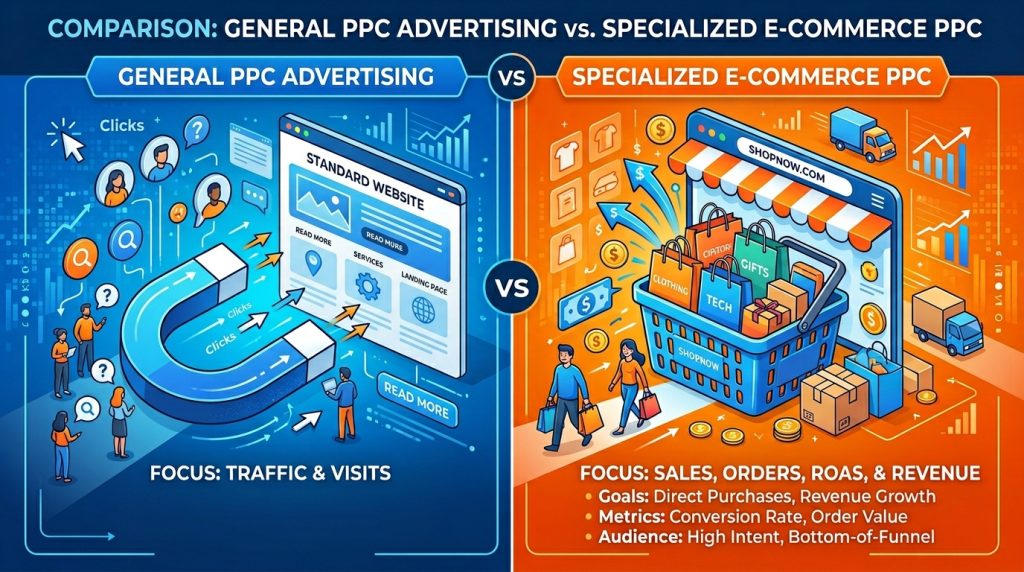
PPC stands for pay-per-click. This means you pay when someone clicks your ad. It sounds simple, but e-commerce ads need careful planning. You do not just want people to visit your website. You want them to buy something.
An ecommerce ppc agency understands this difference. It does not only look at clicks. It also looks at sales, product prices, profit, repeat customers, and the cost of each order. This matters because 1,000 clicks mean little if nobody buys.
For example, imagine you sell sneakers online. One ad may bring many people who only look around. Another ad may bring fewer people, but they buy more often. A smart agency will choose the second ad because it helps your store make money.
E-commerce PPC also includes product feeds, shopping ads, remarketing ads, search ads, and social media ads. Each part needs the right setup. If the agency does not understand online stores, it may spend your money in the wrong places.
Start With Your Store’s Main Goal

Before you hire anyone, you should know what you want. Do you want more sales? Do you want better profit? Do you want to sell more of one product? Do you want to enter a new market? Your goal will shape the whole PPC plan.
A good ecommerce ppc agency will ask about your goals before it talks about ads. It will not rush into promises. It will first try to understand your store, your customers, and your budget.
For example, a new store may need brand awareness and first-time buyers. A growing store may need better return on ad spend. A large store may need help scaling ads without losing profit. These are different goals, so they need different strategies.
You should also know your budget. You do not need the biggest budget in the world, but you do need a realistic one. PPC works best when the agency has enough room to test, learn, and improve.
Check Their E-commerce Experience
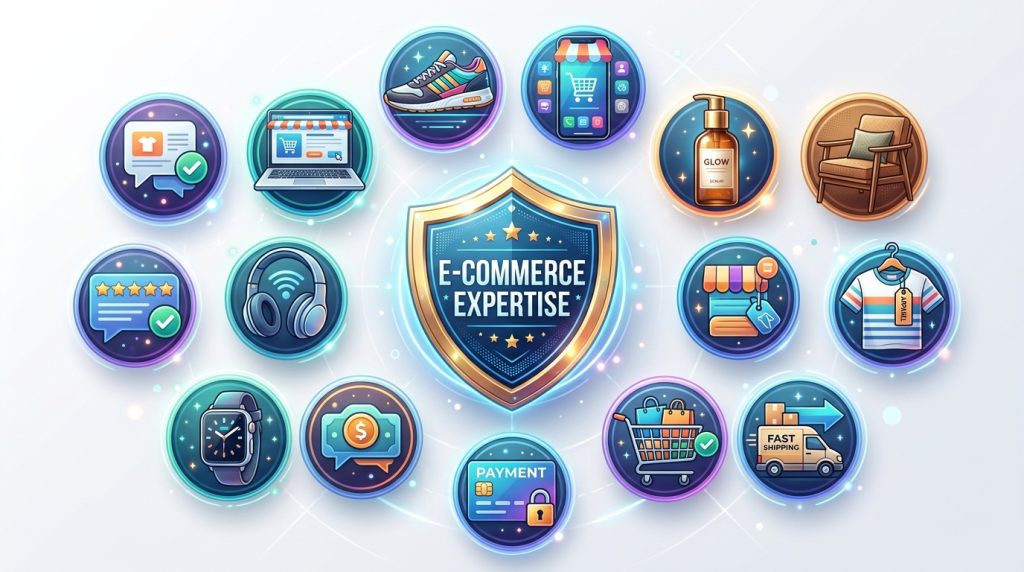
Many agencies can run ads, but not all agencies understand e-commerce. Online stores have special needs. They must track sales, manage products, check stock, improve product pages, and study buyer behavior.
When you speak with an agency, ask if they have worked with stores like yours. Have they helped fashion brands, beauty stores, electronics shops, furniture stores, or food brands? Their past work can show you whether they understand your type of business.
A reliable ecommerce ppc agency should show real examples or explain past results clearly. You do not need secret client details, but you should see proof that they know how e-commerce growth works.
Ask simple questions. What platforms do they use? How do they improve shopping ads? How do they handle low-performing products? How do they decide which products deserve more budget? Their answers will tell you a lot.
Look at Their Strategy, Not Just Their Promises
Some agencies make big promises to win clients. They may say they can double your sales quickly or get amazing results in a few days. Be careful with claims like that. Good PPC takes research, testing, and smart changes.
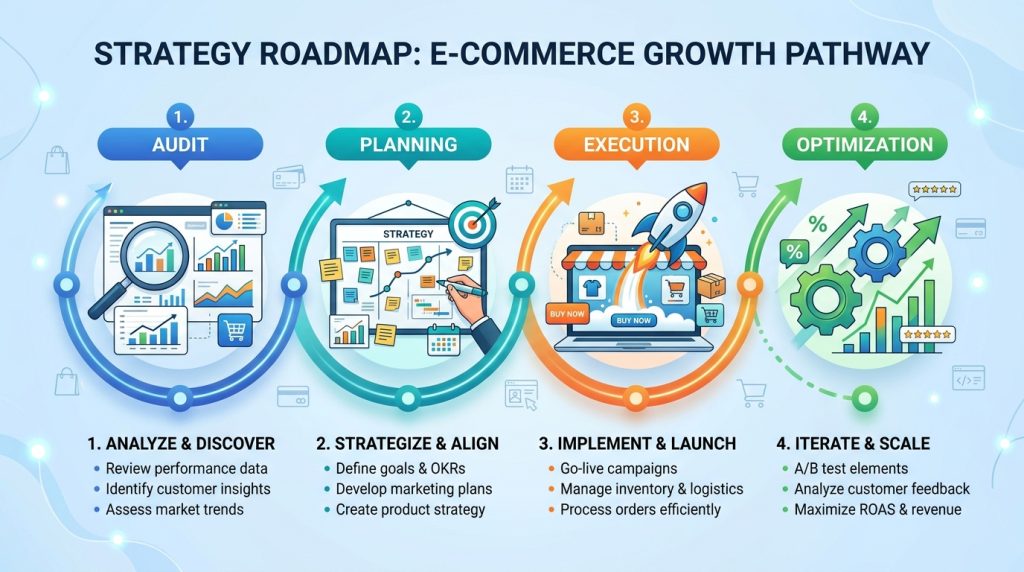
A professional ecommerce ppc agency will explain its process. It may start with an account audit. This means it checks your current ads, website, tracking, product feed, and past results. Then it builds a plan based on facts.
The agency should also study your competitors. It should look at what they sell, how they price products, what kind of ads they run, and why shoppers may choose them. This helps your store compete better.
A clear strategy may include search campaigns, Google Shopping, Performance Max, Meta ads, retargeting, and landing page suggestions. The exact mix depends on your store. The agency should not use the same plan for every client.
Make Sure They Understand Tracking

Tracking is one of the most important parts of e-commerce PPC. Without tracking, you cannot know which ads bring sales. You may keep paying for ads that do not work, or you may stop ads that actually help your store.
A strong ecommerce ppc agency will make sure your purchase tracking works correctly. It should track sales, revenue, add-to-cart actions, checkout starts, and other important events.
Let’s say one ad gets 200 clicks and another gets 100 clicks. The first ad looks better at first. But if the second ad brings more purchases, it is the better ad. Tracking helps you see the truth.
The agency should also understand tools like Google Ads tracking, Google Analytics, Meta Pixel, conversion APIs, and e-commerce platform data. You do not need to know every technical detail, but your agency should.
Ask About Reporting and Communication
You should never feel lost after hiring an agency. You should know where your money goes and what results it brings. Clear communication builds trust.
A good ecommerce ppc agency will give reports that are easy to understand. The report should not only show clicks and impressions. It should show sales, cost per sale, return on ad spend, conversion rate, best products, weak products, and next steps.
The agency should also explain what it changed and why. For example, it may lower the budget on one campaign, increase the budget on another, test new keywords, or change product titles. You deserve to know the reason behind these choices.
Regular calls or updates also help. You do not need a meeting every day, but you should have enough contact to feel informed. If an agency disappears after taking your money, that is a bad sign.
Understand Pricing Before You Sign
Different agencies charge in different ways. Some charge a fixed monthly fee. Some charge a percentage of your ad spend. Some use a mix of both. None of these models is always right or wrong. The best choice depends on your store’s size and needs.
Before signing, ask what the fee includes. Does it include campaign setup? Does product feed work? Reporting? Creative direction? Landing page advice? Tracking support? You should know exactly what you pay for.
You should also ask about contract length. Some agencies ask for long contracts. Others offer month-to-month plans. A longer contract is not always bad, but you should understand the exit rules.
Also, make sure you own your ad account. Your store should keep access to its data. If you leave the agency later, you should not lose your campaign history.
Watch Out for Red Flags
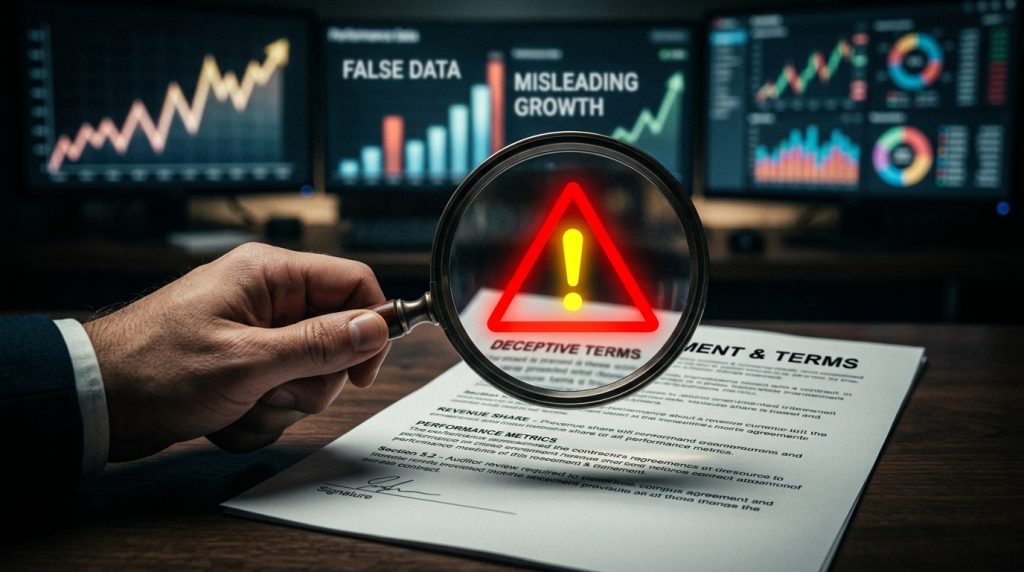
Choosing the wrong agency can hurt your store. So watch for warning signs early.
Be careful if an agency guarantees huge results without checking your account. No honest agency can promise exact sales before it studies your store. PPC depends on your products, prices, website, market, budget, and competition.
Another red flag is vague reporting. If the agency only talks about clicks and does not discuss sales or profit, it may not understand e-commerce well enough.
Also, avoid agencies that pressure you to sign quickly. A trustworthy team will answer your questions and give you time to decide.
Poor communication is another problem. If an agency takes days to reply before you even hire it, communication may get worse later.
Ask the Right Questions Before Hiring
Smart questions help you choose better. You can ask:
- Have you worked with e-commerce stores in my industry?
- How do you measure success?
- Which ad platforms do you recommend for my store?
- How do you reduce wasted ad spend?
- How often will I receive reports?
- Who will manage my account?
- Will I keep ownership of my ad account?
- How do you improve product feeds and shopping ads?
These questions are simple, but they reveal a lot. A strong agency will answer clearly. A weak agency may avoid details or give confusing answers.
Choose a Growth Partner, Not Just an Ad Manager
The best agency does more than run ads. It helps you make smarter business decisions. It may be notice that some products sell better than others.
It may suggest better landing pages. It may find new audiences. It may help you understand what customers want.
A skilled ecommerce ppc agency acts like a growth partner. It looks at the full customer journey, from the first click to the final purchase. It cares about profit, not just traffic. A trusted ecommerce ppc agency will also help you see which ad choices support long-term growth.
For example, if many people add products to the cart but do not buy, the problem may not be the ad. The problem may be shipping cost, checkout design, product images, or trust signals. A helpful agency will point this out.
Conclusion
Choosing the right PPC partner takes time, but it protects your money and supports your growth. Do not pick an agency only because it uses fancy words or promises fast results. Look for experience, clear tracking, honest communication, smart reporting, and a real plan.
The right ecommerce ppc agency will understand your products, your customers, and your profit goals. It will test carefully, improve campaigns, and help you spend money wisely. A PPC agency such as American Ecommerce Hub can fit naturally into this role when it focuses on clear strategy, better ad performance, and long-term ecommerce growth. When you choose wisely, your ads stop feeling like a gamble. They become a smart tool that helps more people find your store, trust your brand, and buy your products.
Frequently Asked Questions
An e-commerce PPC agency creates, manages, and improves paid ad campaigns for online stores. It helps bring the right shoppers to your website through platforms like Google Ads, Google Shopping, Meta Ads, TikTok Ads, and other paid channels. The agency also tracks sales, manages ad budgets, improves campaigns, and focuses on getting better returns from your ad spend.
Choose an agency that has real e-commerce experience, clear reporting, strong tracking knowledge, and a strategy that matches your store goals. Ask about their past results, the platforms they manage, how they measure success, and how they reduce wasted ad spend. The right agency should explain things clearly and act like a growth partner, not just an ad manager.
Look for e-commerce case studies, strong communication, honest expectations, proper conversion tracking, product feed knowledge, and experience with platforms like Google Ads and Meta Ads. A good agency should focus on sales, ROAS, profit margins, customer acquisition cost, and long-term growth instead of only clicks and traffic.
The cost depends on your store size, ad budget, campaign needs, and the agency’s pricing model. Some agencies charge a flat monthly fee, while others charge a percentage of ad spend or use a mixed pricing model. Smaller stores may pay less, while larger stores with bigger campaigns usually pay more. Always ask what the fee includes before signing.
E-commerce PPC agencies increase online sales by showing your products to people who are more likely to buy. They choose the right keywords, improve shopping ads, test audiences, manage budgets, retarget past visitors, and track which ads bring real purchases. They also use data to stop weak campaigns and grow the ones that perform well.
Most e-commerce PPC agencies manage ads on Google Ads, Google Shopping, Performance Max, Meta Ads, Instagram Ads, TikTok Ads, Microsoft Ads, and sometimes Amazon Ads. The best platforms depend on your products, audience, budget, and business goals.
Some stores may see early results within a few weeks, but stronger and more stable results usually take a few months. The agency needs time to test ads, collect data, improve targeting, adjust budgets, and find what works best. PPC can move quickly, but profitable growth often needs steady optimization.
You can run ads in-house if you have the time, skill, tools, and tracking knowledge. However, hiring an e-commerce PPC agency can help if you want expert support, a better strategy, faster testing, and more professional campaign management. For many growing stores, an agency saves time and helps avoid costly mistakes.
Ask questions like: Have you worked with e-commerce stores like mine? How do you measure success? Which platforms do you recommend? How often will I get reports? Who will manage my account? How do you track sales? How do you reduce wasted ad spend? Will I keep ownership of my ad account? These questions help you understand how the agency works.
Common mistakes include choosing the cheapest agency, trusting unrealistic guarantees, ignoring e-commerce experience, accepting vague reports, signing long contracts without reading the terms, and hiring an agency that does not understand tracking. You should also avoid agencies that focus only on clicks instead of sales, profit, and return on ad spend.
Ready to Scale Your E-commerce Store with Smarter PPC?
Stop wasting budget on clicks that don’t buy. Partner with a team that prioritizes your profit and real e-commerce growth.
Get Expert E-commerce PPC Management Services and start turning your traffic into consistent sales today. Whether it’s fixing a low ROAS or scaling to the next level, the right strategy starts here.
Let’s grow your online store the smart way. Connect With Our eCommerce Team today!